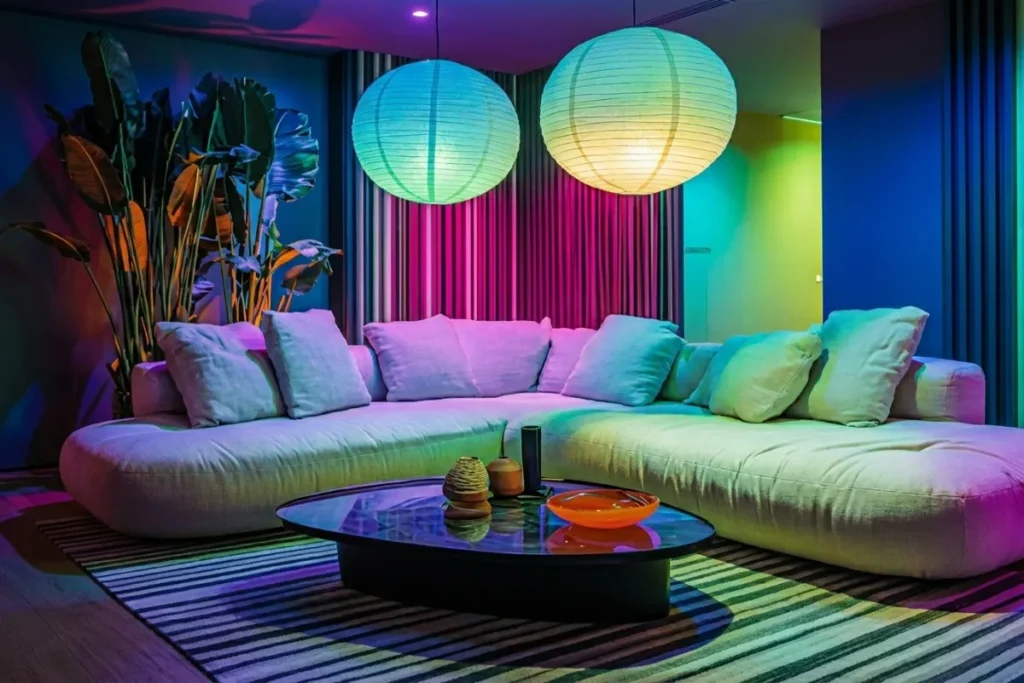
Lighting is the most powerful, yet frequently misunderstood, element of interior design. You can buy the most expensive furniture, curate the perfect biophilic aesthetic, and paint your walls with 2026’s trending color palettes, but if your room is illuminated by a single, harsh ceiling bulb, the entire atmosphere falls flat. A well-designed space requires more than just making a room “not dark.” It requires mastering Layered & Ambient Lighting.
By blending different types of light sources, you create environments that are dynamic, functional, and deeply inviting. Modern smart home technologies and architectural trends have made professional lighting strategies accessible to everyone. Whether you are outfitting a cozy reading nook, a productive home office, or a sprawling living room, implementing a Layered & Ambient Lighting scheme will fundamentally change how you experience your home.
In this comprehensive guide, we will break down the core principles of lighting design, explain how to effectively layer your fixtures, and provide actionable tips you can implement right now.
Curated Camera Corners: The Ultimate 2026 Guide to Designing Professional Video Backdrops
Table of Contents
What is Layered Lighting? The Three Pillars
Interior designers rely on a concept called “lighting layers” to build a cohesive room. Just like a beautiful outfit requires a base layer, structural pieces, and accessories, a room requires three specific types of light to feel complete.
1. Ambient Lighting (The Base Layer)
Ambient light, often called general lighting, is the foundational layer. Its primary purpose is to provide overall illumination so you can navigate a room safely and comfortably. It acts as the canvas upon which all other lighting is painted.
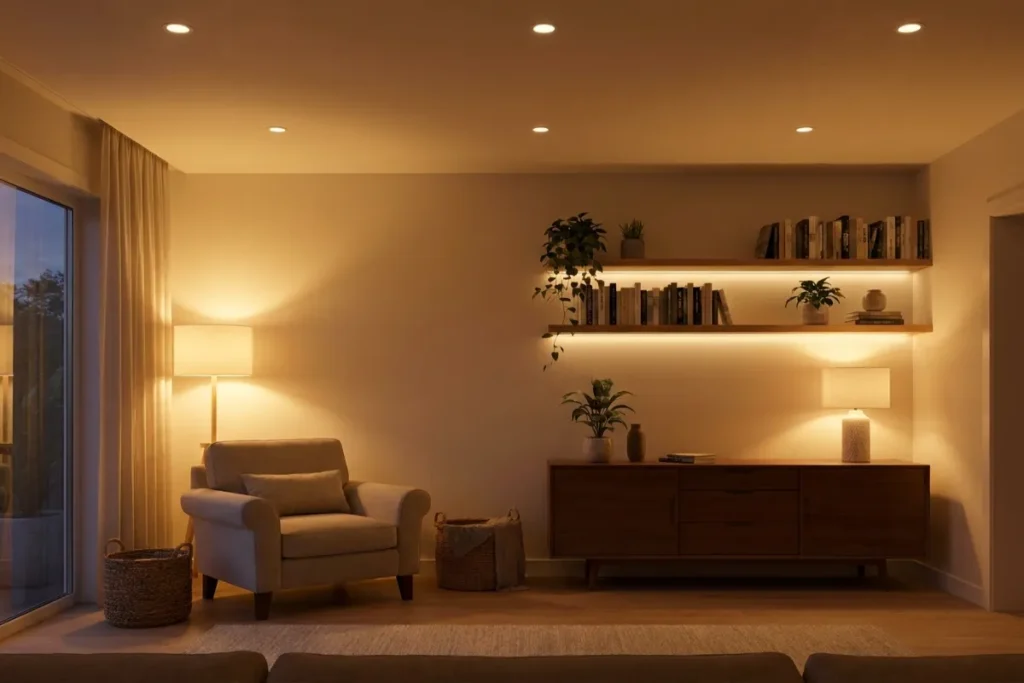
Traditionally, ambient lighting comes from large overhead fixtures like chandeliers, recessed can lights, or flush-mount ceiling fixtures. However, in 2026, we are seeing a massive shift toward indirect ambient lighting. This involves bouncing light off ceilings or walls using upward-facing sconces or cove lighting to create a softer, more diffused glow that mimics natural sunlight.
2. Task Lighting (The Functional Layer)
Task lighting is highly focused and intentional. It is placed exactly where you need it to perform a specific activity without causing eye strain.
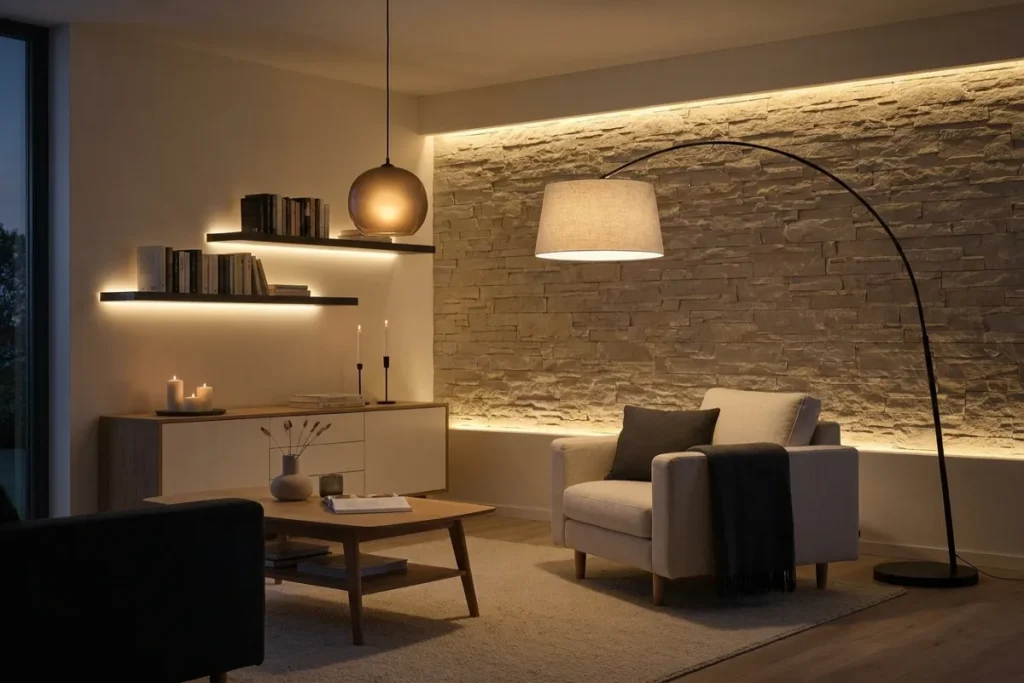
- Examples: A flexible desk lamp in a home office, under-cabinet LED strips in a kitchen for chopping vegetables, or an arched floor lamp hovering over a reading chair.
- Pro Tip: Task lighting should ideally be on its own switch or smart plug so it can be turned off when the task is complete, allowing the room to return to a softer state.
3. Accent Lighting (The Decorative Layer)
Accent lighting is the jewelry of the room. It is used to highlight architectural features, artwork, plants, or textured walls. Typically, accent lighting should be about three times brighter than the surrounding ambient light to create a noticeable contrast.
- Examples: Picture lights over gallery frames, small spotlights pointing at an indoor tree, or LED strip lighting installed behind a television to create a glowing halo effect.
The Power of Ambient Lighting in Modern Design
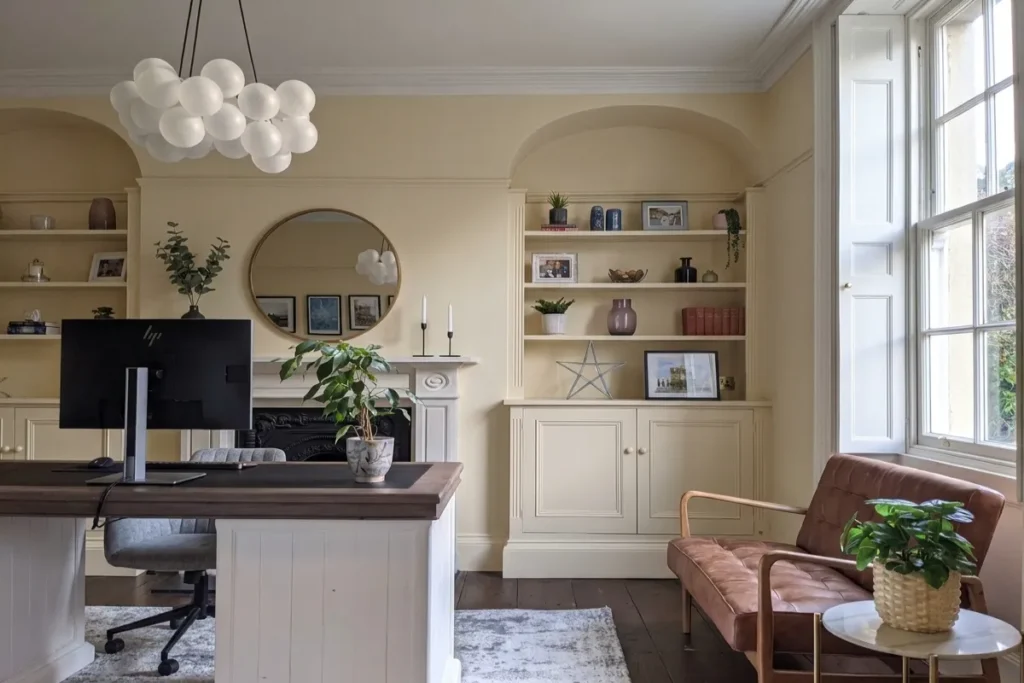
While task and accent lights add utility and drama, the true mood-setter of any space is its ambient lighting. A poorly executed ambient layer—like a glaring, cool-toned bulb in the center of the ceiling—will make a living room feel like a dentist’s waiting area.
Mastering Layered & Ambient Lighting means controlling the intensity, direction, and color temperature of your base illumination.
The Problem with the “Big Light”
In recent years, the internet popularized the phrase “never turn on the big light.” This refers to the aversion many people have to harsh, central ceiling fixtures. The “big light” flattens shadows, highlights dust and imperfections, and triggers our brains to feel alert rather than relaxed.
To create high-quality ambient lighting without relying on a central fixture, designers recommend:
- Multiple Light Sources: Place three to four lamps (table or floor) around the perimeter of the room.
- Diffused Shades: Use paper lanterns, frosted glass globes, or thick fabric shades to soften the light emitted by the bulbs.
- Wall Sconces: Install sconces that direct light upward (uplighting) or wash light down the wall, rather than pointing it directly into the room.
Interactive Lighting Simulator
Understanding how these layers work together is easier when you can see them in action. Use the simulator below to toggle the different layers of light in a standard room. Notice how the space transforms when you shift from just ambient light to a fully layered approach.
2026 Lighting Trends You Need to Know
The lighting industry has evolved rapidly, blending high-end design with smart home integration. Here are the defining trends shaping how we light our homes today.
1. Biodynamic (Circadian) Lighting
Our bodies are biologically wired to respond to the color temperature of light. Cool, blue-toned light suppresses melatonin and makes us feel alert (perfect for a morning in the office). Warm, amber-toned light promotes relaxation (perfect for winding down in the evening).
In 2026, smart lighting systems automatically adjust both the brightness and color temperature of your home’s ambient lighting based on the time of day. This seamless transition supports your circadian rhythm, improving both productivity and sleep quality.
2. Hidden LED Architecture
Visible light bulbs are becoming less common in high-end design. Instead, LED tape and channel lighting are being seamlessly integrated into the architecture of the home. You will see light glowing from beneath floating bathroom vanities, glowing softly from the recesses of tray ceilings, and illuminating the undersides of kitchen islands. This technique creates a magical, ethereal glow without a visible source.
3. Rechargeable, Cordless Fixtures
The days of being limited by wall outlets are over. The market has exploded with high-quality, rechargeable table lamps and picture lights. These fixtures allow you to place a beautiful, warm ambient light in the middle of a dining table or on a floating bookshelf without worrying about hiding an ugly power cord.
Room-by-Room Guide to Layered Lighting
Every room in your house serves a different purpose, and your lighting strategy should reflect that. Here is how to apply the three layers to your most important spaces.
The Living Room
The living room is a multi-purpose space used for entertaining, watching TV, and relaxing.
- Ambient: Use dimmable recessed lights or a large, diffused chandelier on a dimmer switch. Supplement with floor lamps in the corners.
- Task: Place a table lamp next to the sofa or reading chair. Ensure the bottom of the lampshade is at eye level when seated so the bulb doesn’t blind you.
- Accent: Use a subtle LED bias light behind your television to reduce eye strain in a dark room. Add small spotlights to highlight artwork or architectural features like a fireplace mantel.
The Kitchen
The kitchen requires the most functional lighting in the home, but it still needs to feel warm and inviting when the cooking is done.
- Ambient: Recessed ceiling lights spaced evenly to provide broad illumination.
- Task: Bright, cool-toned LED strips mounted directly beneath the upper cabinets. This floods your countertops with shadow-free light exactly where you are using knives and reading recipes.
- Accent: Pendant lights hanging over the kitchen island. While these provide some task light, they are primarily decorative statement pieces. Install them on a separate dimmer so they can act as a gentle nightlight after dinner.
The Home Office
A poorly lit home office leads to headaches, eye strain, and a terrible appearance on video calls.
- Ambient: Avoid sitting directly under a harsh ceiling light. Instead, position your desk facing a window for natural ambient light, or bounce a strong floor lamp off the ceiling.
- Task: An adjustable desk lamp is mandatory. Position the lamp on the opposite side of your dominant hand to prevent your hand from casting shadows on your work.
- Accent: Use a small, warm-toned bookshelf lamp or an LED strip behind your monitor. This not only looks great in the background of a Zoom call but also creates a pleasant, layered depth to the room.
How to Choose the Right Bulbs
No matter how beautiful your fixtures are, picking the wrong light bulb will ruin the effect. When shopping for bulbs, you need to understand three key metrics:
| Metric | What It Means | Ideal Range |
| Lumens | Brightness (how much light is emitted). | 400-800 lumens for table lamps; 1000+ for overheads. |
| Kelvins (K) | Color Temperature (how warm or cool the light looks). | 2700K (Warm Cozy) to 4000K (Crisp White). |
| CRI | Color Rendering Index (how accurately colors appear under the light). | 90+ CRI is essential for making skin tones and paint look natural. |
Pro Tip: Never mix color temperatures in the same room. If your ceiling lights are 3000K, your table lamps should also be 3000K (unless you are intentionally using a very warm 2200K bulb as an evening accent). Mixing cool and warm light in the same space makes the room feel chaotic and cheap.
Conclusion: Take Control of Your Atmosphere
Mastering Layered & Ambient Lighting is the ultimate design hack. It doesn’t require a total renovation or thousands of dollars in new furniture. By simply adding a few well-placed lamps, utilizing smart dimmers, and understanding the difference between task and accent illumination, you can elevate your home from functional to phenomenal.
Remember, the goal is never just to brighten a room; the goal is to control how the room feels. Stop relying on the “big light,” embrace the shadows, and start layering.
For more deep dives into smart home technology, aesthetic tech setups, and modern living innovations, visit thetekworld.com today. Upgrade your lifestyle with our expert tech and design guides!
Frequently Asked Questions (FAQ)
1. How many light sources should a living room have?
A standard-sized living room should have at least 4 to 5 distinct light sources, including a mix of overhead fixtures, floor lamps, and table lamps. This allows you to create layers and adjust the mood based on the time of day and the activity.
2. Can I use smart bulbs to achieve layered lighting?
Absolutely. Smart bulbs are the easiest way to implement layered lighting without rewiring your house. By grouping smart bulbs in an app, you can create “Scenes” (e.g., “Movie Night” or “Focus Mode”) that automatically adjust the brightness and color temperature of multiple lamps with a single tap.
3. What is the difference between warm white and cool white light?
Warm white light (typically 2700K to 3000K) has a yellowish, amber tint similar to traditional incandescent bulbs or candlelight. It is relaxing and cozy. Cool white light (4000K to 5000K) has a bluish tint similar to daylight. It is energizing and offers high contrast, making it better for detailed tasks or modern, clinical spaces.
4. How do I light a room with no overhead ceiling fixtures?
Rooms without ceiling fixtures are perfect candidates for heavily layered ambient lighting. Use large floor lamps that direct light upward to bounce off the ceiling, plug-in wall sconces, and multiple table lamps spread evenly around the perimeter of the room to eliminate dark corners.

Comments