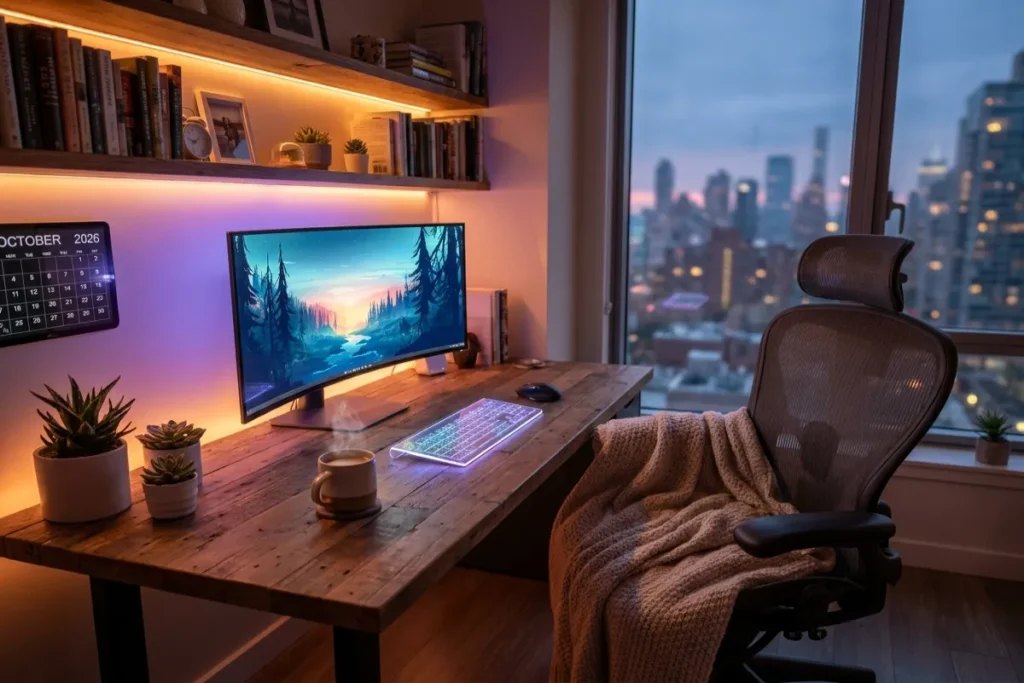
For millions of professionals, freelancers, and creatives around the globe, the home office has transitioned from a temporary compromise into a permanent, highly personalized sanctuary. If you are spending upwards of forty hours a week staring at a screen, your environment plays a massive role in your mental health, focus, and overall productivity. In 2026, the sterile, cold minimalism of the past has been entirely replaced. Today, the ultimate goal is to build an Aesthetic Cozy Desk—a space that seamlessly blends cutting-edge technology with warm, inviting, and organic design elements.
Gone are the days of harsh, bright white LED strips, aggressive “gamer” aesthetics, and stark glass tables. The modern workspace is all about intention. It is about creating a corner of your home that you actually want to spend time in, even when you aren’t working.
Whether you are a software engineer coding late into the night, a designer sketching out new concepts, or a student preparing for exams, this comprehensive guide will walk you through exactly how to design, budget, and optimize your workspace for 2026.
The Ultimate 2026 Guide to Monitor Arms: Reclaim Your Desk and Save Your Neck
Table of Contents
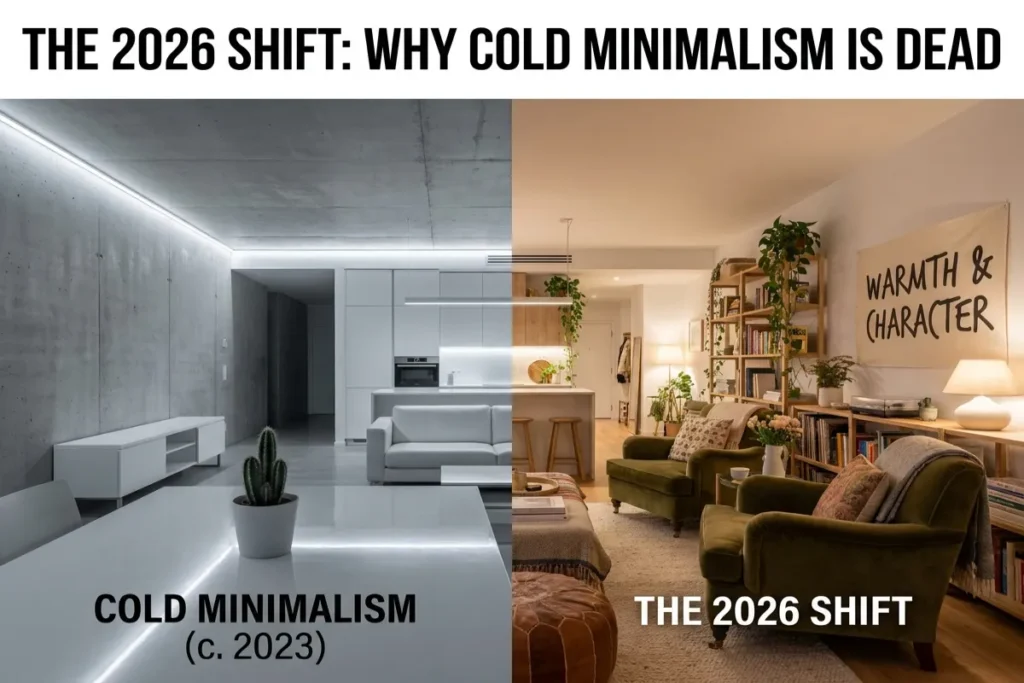
The 2026 Shift: Why Cold Minimalism is Dead
To understand how to build the perfect workspace today, we have to look at how home office trends have evolved. Over 58% of knowledge workers now operate in hybrid or fully remote arrangements. Because our workspaces are now permanently embedded inside our living spaces, the visual language of the “office” had to change.
In previous years, tech enthusiasts chased a very clinical form of minimalism: white laminate desks, perfectly hidden cables, and sterile white lighting. While this looked incredibly clean on camera, many users found it mentally exhausting and uninspiring over long periods.
In 2026, interior designers and tech enthusiasts have embraced a new movement called “Tactile Naturalism”. This trend focuses on combining the efficiency of modern technology with the warmth of natural materials. The biggest visual shift in home office trends is the move toward warmer, lived-in spaces. This means swapping out glossy plastics for solid woods, replacing harsh blue lights with soft amber glows, and incorporating textures like wool, linen, and leather into the workspace.
Creating your own Aesthetic Cozy Desk requires balancing these warm elements with functional ergonomics. It is not just about making a space look good for a photo; it is about building an environment that actively reduces cognitive load and physical fatigue.
Anatomy of an Aesthetic Cozy Desk
Building an inspiring workspace requires breaking the setup down into four core pillars: the physical foundation, the lighting, the technology integration, and the organic decor. Let’s explore each element in deep detail.
1. The Foundation: Solid Wood and Ergonomic Frames
The desk itself is the canvas for your entire setup. In 2026, height-adjustable standing desks are no longer considered a luxury—they are the standard. Alternating between sitting and standing throughout the workday reduces back pain, improves circulation, and increases energy levels.
However, the foundation of any Aesthetic Cozy Desk begins with the material of the desktop itself. To achieve that warm, inviting look, you must move away from synthetic laminates and MDF (Medium-Density Fiberboard).
- Walnut: The gold standard for a premium, moody aesthetic. Walnut offers a rich, dark grain that pairs beautifully with warm lighting and matte black technology.
- White Oak: Perfect for a lighter, “Scandinavian Hygge” vibe. Oak brightens up small, dimly lit rooms and pairs well with white peripherals and pastel accents.
- Ash and Birch: Excellent mid-tier options that offer durability and a beautiful natural grain without the premium price tag of solid walnut.
Actionable Tip: If a solid hardwood standing desk is out of your budget, a popular 2026 hack is to purchase a high-quality dual-motor sit-stand frame (such as those from FlexiSpot or Fully) and attach it to a solid wood kitchen countertop block from a local hardware store. This gives you a massive, premium wooden surface for a fraction of the cost.
2. The “Hygge” Lighting Masterclass
Lighting is arguably the most critical factor in achieving a cozy aesthetic. You can have the most expensive furniture and technology in the world, but if your room is lit by a single, harsh overhead ceiling fixture, your setup will feel like a cubicle.
In 2026, the focus is on natural light positioning, warm ambient lighting, and multiple light sources instead of one. The goal is to layer your lighting to create depth and warmth.
Here is the exact lighting formula for a cozy setup:
- The Task Light (Monitor Light Bar): A monitor light bar sits on top of your screen and casts a precise, asymmetrical beam of light down onto your desk surface without causing glare on the monitor itself. Look for bars with adjustable color temperatures. Set it to a warm 3000K – 3500K for evening work.
- The Ambient Glow (Backlighting): Install an LED light strip on the back edge of your desk, facing the wall. Instead of harsh RGB gaming colors, set this strip to a soft amber, warm white, or muted pastel tone. This technique, called bias lighting, reduces eye strain when looking at bright monitors in a dark room.
- The Practical Decor (Lamps and Candles): Add a small, beautifully designed desk lamp with a linen or frosted glass shade to one corner of your desk. To elevate the cozy factor even further, incorporate a flame-effect essential oil diffuser or a real candle.
3. Invisible Technology: Hiding the Clutter
A cozy space is inherently a calm space. Visual clutter translates directly to mental clutter. In 2026, the home office absorbs its devices—technology remains omnipresent and accessible, but is no longer visibly intrusive.
To achieve this, you need to ruthlessly manage your cables and elevate your gear.
- Monitor Arms are Mandatory: Replacing your monitor’s bulky factory stand with a gas-spring monitor arm is the single most impactful upgrade you can make. It instantly reclaims the space beneath your screen and makes your monitor look as though it is floating.
- Wireless Peripherals: Wires stretching across your desk destroy the aesthetic. Invest in a high-quality wireless mechanical keyboard and a wireless mouse.
- The Velcro Cable Routing Rule: Never use plastic zip ties for cable management; they are permanent and frustrating to adjust. Instead, use reusable velcro straps. Mount a cable management tray underneath the rear of your desk, route all peripheral cables into a single bundle, and run that single “umbilical cord” down the desk leg so it is completely invisible from eye level.
4. Tactile Naturalism and Biophilic Design
The final pillar of maintaining an Aesthetic Cozy Desk means bringing the outside in. Biophilic design—the concept of integrating nature into our built environments—is a massive productivity enhancer backed by research.
Plants add organic shapes that break up the rigid, straight lines of monitors and tech gadgets. If your workspace lacks natural sunlight, opt for low-light resilient plants like Snake Plants (Sansevieria), ZZ Plants, or Pothos vines that can trail down from a shelf.
Beyond plants, introduce tactile warmth through your desk accessories. Swap out synthetic mousepads for a large, thick wool felt desk mat. Use leather coasters for your coffee mugs. Add a wooden wrist rest for your mechanical keyboard. These small, tactile touches transform a workstation into a comfortable, lived-in space.
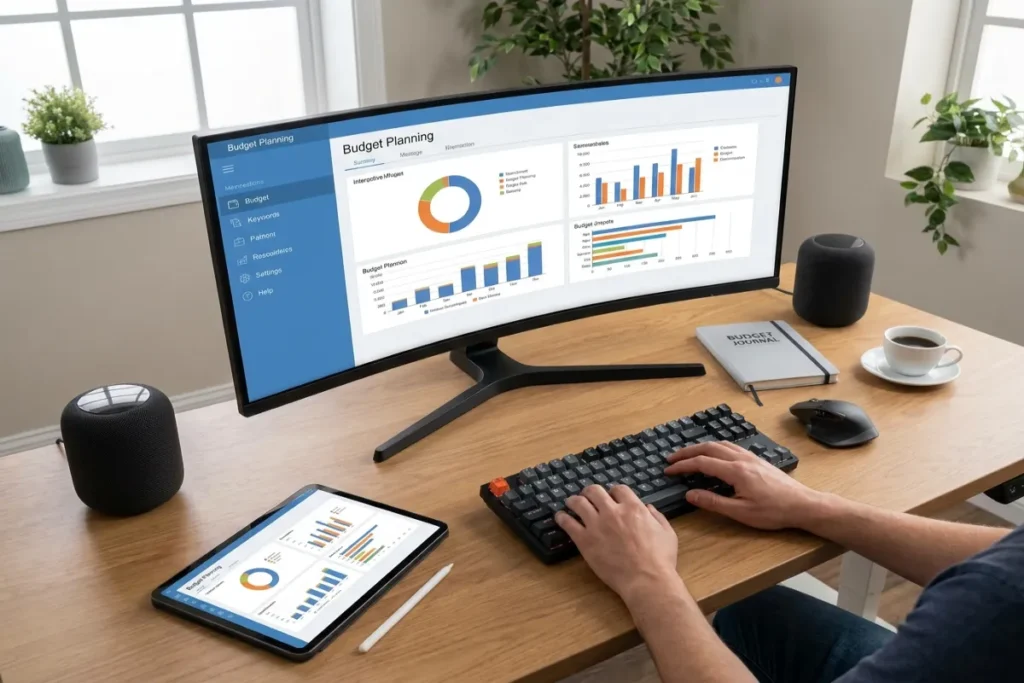
Interactive Desk Setup & Budget Planner
Planning a workspace that balances aesthetics, ergonomics, and technology can quickly become expensive. Use this interactive 2026 desk setup planner to adjust your budget parameters. The tool will visualize how your funds are distributed across furniture, technology, and accessories, helping you prioritize where to invest your money.
Key insight: As you adjust the sliders, you will notice that high-quality ergonomic furniture (like a solid wood top and a premium chair) often consumes a larger portion of a smart budget than the technology itself. Tech becomes obsolete in a few years, but a solid walnut desk and a Herman Miller or Steelcase chair will last for decades.
Step-by-Step Guide to Styling Your Space
Now that we understand the core components, how do we actually put it all together without making the desk look cluttered? Follow these sequential steps for flawless 2026 execution.
Step 1: Establish Your Anchor Items
Start by placing your largest, most important items first. This is usually your desk, your monitor (mounted on its arm), and your chair. Position the desk near a window if possible, allowing natural light to hit your face (which is highly flattering for video calls) rather than hitting your screen and causing glare. Ensure the top of your monitor is exactly at or slightly below eye level when you are sitting up straight.
Step 2: Choose Your 2026 Color Palette
For a truly cozy vibe, step away from bright primary colors. The trend right now focuses on two distinct palettes:
- Pastel Desaturation: Muted, dusty colors like sage green, powder blue, and dusty rose. These colors lower visual intensity, making it easier to sustain focus for long periods.
- Restorative Darks: Deep, moody shades like plum brown, charcoal, or dark forest green. When paired with walnut wood and warm amber lighting, this creates an incredibly snug, “café-like” atmosphere for evening workers.
Step 3: Implement the “Rule of Three” for Surface Decor
A cozy space should feel personal, but it crosses into “cluttered” territory very quickly. Designers in 2026 utilize the “Rule of Three” for desk surfaces. Try to limit your non-essential, visible desk items to a maximum of three curated objects.
For example, your three items could be:
- A ceramic mug of coffee or tea.
- A small potted succulent.
- A beautiful, physical notebook and pen.
Everything else—chargers, external hard drives, sticky notes, and random pens—should be hidden away in under-desk drawers or stylish storage boxes.
Step 4: Curate Your “Camera Corner”
With remote work continuing, your home office is now visible to others on daily video calls. Your background is part of your professional identity. Instead of relying on artificial blur effects or fake virtual backgrounds, curate the space behind your desk. A low bookshelf styled with a few hardback books, a trailing plant, and a warm lamp creates a background that looks authentic, polished, and highly professional.

The Psychological Benefits of a Cozy Workspace
Why go through all this effort? Because the ROI (Return on Investment) of a thoughtfully designed workspace goes far beyond aesthetics. Environmental psychology dictates that our physical surroundings directly impact our cognitive performance.
- Reduced Cortisol Levels: Warm lighting and natural wood grains have been shown to lower heart rates and reduce stress responses compared to cold, clinical environments.
- Improved Focus: By meticulously managing cables and hiding visual clutter, you reduce the amount of passive information your brain has to process, leaving more mental bandwidth for deep work.
- Separation of Work and Life: By using lighting to shift moods—for example, switching from bright, cool daylight overheads during work hours to dim, warm amber desk lamps in the evening—you can trick your brain into transitioning from “work mode” to “relaxation mode,” even if you are sitting at the exact same desk.
Conclusion
Building a workspace in 2026 is an exercise in intentionality. By moving away from the stark, cold setups of the past and embracing tactile naturalism, layered ambient lighting, and invisible tech, you can create a haven of productivity. Remember to invest heavily in the foundational pieces that impact your health—like a solid standing desk and an ergonomic chair—before worrying about the decorative touches.
Treat your home office not just as a place to grind out tasks, but as a space designed to support your well-being. Start small: replace a harsh lightbulb, hide a few cables, or add a real plant to your desk today.
Are you ready to elevate your digital lifestyle and stay ahead of the curve? Discover more expert guides on tech trends, workspace optimization, and modern digital living at thetekworld.com.
Frequently Asked Questions (FAQs)
1. How do I make a small desk setup feel cozy without feeling cramped?
The key to small spaces is verticality and lighting. Use a monitor arm to lift the screen off the desk surface, freeing up the space beneath it. Utilize a floating shelf above the monitor for your plants or decor. Finally, use a warm LED strip behind the desk to wash light up the wall, creating an illusion of depth that makes the room feel larger.
2. Are mechanical keyboards actually good for productivity, or just an aesthetic trend?
Both! While they are visually appealing and customizable, mechanical keyboards offer tactile feedback that many typists find significantly more comfortable and accurate than flat laptop keyboards. For a cozy office, opt for “tactile” or “linear” switches (like brown or red switches) rather than “clicky” blue switches, which can be obnoxiously loud for video calls.
3. What is the best color temperature for desk lighting?
For focused, analytical work during the day, a neutral light (around 4000K to 5000K) is optimal for alertness. However, for a cozy, relaxed, or creative vibe in the evening, you should adjust your lighting down to a warm amber tone between 2700K and 3500K. This mimics a sunset and helps your brain prepare for rest.
4. How can I manage cables if I have a lot of wired peripherals?
Start with a large under-desk cable management tray. Route all cables from your monitors, chargers, and wired devices directly backward into the tray. Use a USB hub mounted under the desk to plug in your peripherals, so only one main cable runs to your PC or laptop. Always use reusable velcro ties instead of zip ties so you can easily swap out gear later.
5. Is a standing desk strictly necessary for an aesthetic setup?
While not strictly necessary for aesthetics, a standing desk is highly recommended for ergonomics and long-term health in 2026. Modern standing desks feature hidden motors and beautiful solid wood tops, meaning you do not have to sacrifice visual appeal to gain the health benefits of changing your posture throughout the day.
