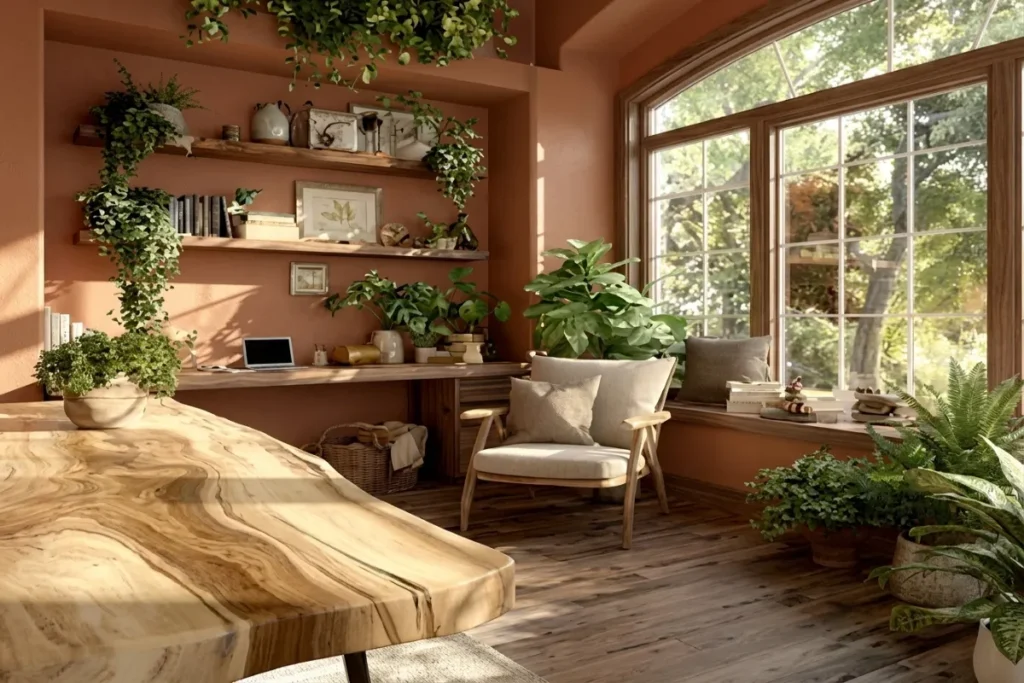
Are you feeling mentally drained before the workday even hits noon? In the era of permanent remote work and hybrid schedules, staring at a sterile, cluttered, or purely plastic workstation is a fast track to burnout. The modern professional needs a workspace that promotes deep focus while simultaneously reducing stress. Enter the Biophilic Minimalism desk—the most defining interior design trend for home offices in 2026.
By merging the intentional simplicity of minimalism with the innate human craving for nature (biophilia), this setup transforms your daily grind into a grounded, serene experience. Instead of fighting against a chaotic environment, a Biophilic Minimalism desk works with your psychology to boost productivity and well-being. In this comprehensive guide, we will explore the science behind this design philosophy, the core elements you need to build it, and exactly how to seamlessly integrate your 2026 tech without ruining the aesthetic.
The Ultimate Professional Multi-Monitor Standing Desk Setup for Productivity & Content Creation
Table of Contents
What is Biophilic Minimalism?
To truly master this aesthetic, we first need to break down the two concepts driving it.
Minimalism is not about having an empty room or suffering in a sparse, uncomfortable chair. True minimalism is about intentionality. It means removing the non-essential so that the essential can shine. In a workspace, this means zero loose papers, hidden cables, and keeping only the tools you actively use within arm’s reach.
Biophilia is the scientific concept that humans possess an innate, biological tendency to seek connections with nature and other forms of life. Biophilic design brings the outdoors inside through plants, natural light, organic textures, and earthy color palettes.
A Biophilic Minimalism desk sits at the perfect intersection of these two ideas. It uses nature to soften the cold, sterile edges of traditional minimalist design, while using minimalist restraint to prevent the “jungle” look from becoming overwhelming clutter. It is a highly functional workspace that feels like a breath of fresh air.
The Science Behind the Setup
Why are leading tech CEOs, remote workers, and creative professionals abandoning their RGB-lit, hyper-futuristic setups for natural wood and pothos plants? The answer lies in cognitive science.
According to environmental psychology studies updated for 2026, exposure to natural elements during the workday triggers the parasympathetic nervous system, which lowers cortisol (stress hormone) levels.
- Attention Restoration Theory (ART): Staring at screens causes “directed attention fatigue.” Glancing at a plant or a piece of natural wood grain allows for “soft fascination,” giving your brain’s focus mechanisms a micro-break to recharge.
- Air Quality: Modern homes are heavily insulated, trapping volatile organic compounds (VOCs) emitted by synthetic carpets and cheap furniture. Live plants actively filter these toxins, providing cleaner oxygen to your brain, which directly wards off afternoon fatigue.
- Acoustic Comfort: Leaves and natural wood surfaces naturally diffuse harsh sound waves, reducing the echo in your home office and making your environment sound calmer during intense focus sessions.
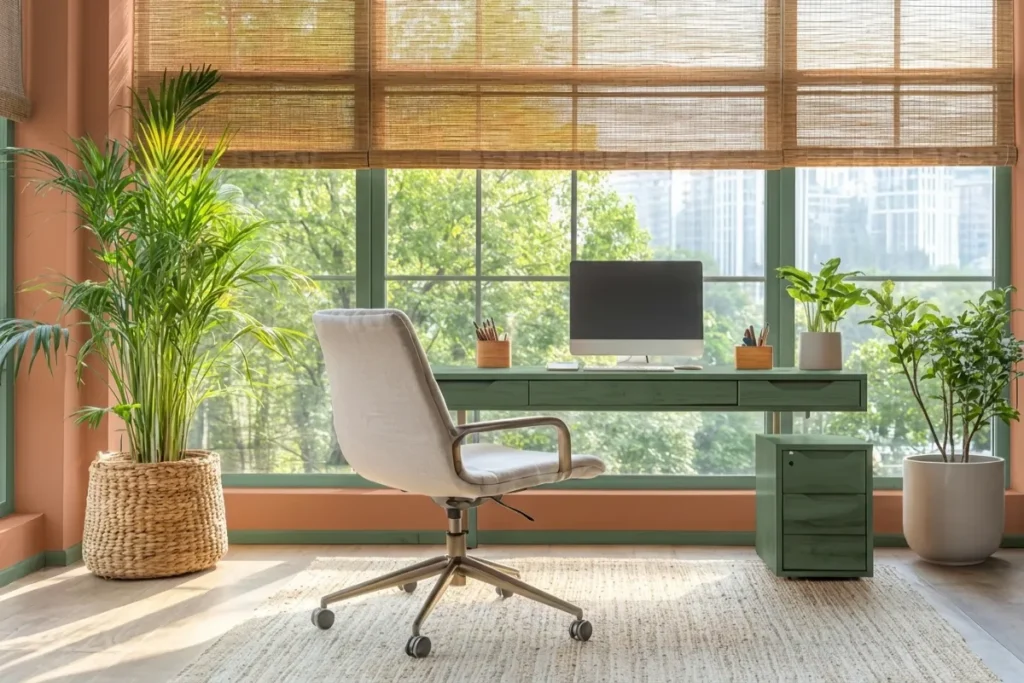
Core Elements of a Biophilic Minimalism Desk
Creating this environment requires more than just slapping a plastic succulent next to your laptop. It requires a thoughtful curation of materials, life, and light.
Natural Materials and Organic Textures
The foundation of your setup is the desk itself. Move away from glossy white laminates, glass, or cold metals. You want a desktop that tells a story.
- Solid Wood: Opt for live-edge walnut, warm oak, or sustainable bamboo. The tactile sensation of resting your wrists on natural wood grain is incredibly grounding.
- Matte Finishes: If you use desk mats, choose natural materials like merino wool felt, cork, or vegan leather. Avoid glossy, synthetic mousepads.
- Stone and Ceramic: Use ceramic pots for your plants or a heavy stone tray to hold your pens. These earth-derived materials add visual weight and texture.
Curated Greenery (Not Clutter)
In a Biophilic Minimalism desk setup, the plants are architectural elements, not chaotic overgrowth. You want high-impact greenery that doesn’t eat up your usable desk space.
- The “Rule of Three”: Stick to a maximum of three plants in your immediate desk radius to maintain the minimalist ethos.
- Verticality: Use a trailing plant (like a pothos or string of pearls) on a shelf above your monitor, and a structured, upright plant (like a snake plant or a ZZ plant) on the floor beside the desk.
- Low Maintenance: Choose plants that thrive in indoor conditions and don’t require constant watering, so they remain a source of joy rather than a chore.
Lighting the Natural Way
Lighting dictates the mood of your workspace. Harsh, blue-toned overhead lighting will instantly destroy a biophilic vibe.
- Maximize Daylight: Position your desk perpendicular to a window. This gives you indirect sunlight, which prevents screen glare while keeping your circadian rhythm locked in.
- Warm Task Lighting: Use a monitor light bar or a minimalist architectural desk lamp that emits a warm temperature (between 2700K and 3000K).
- Avoid RGB: Turn off the color-shifting LED strips. If you must have backlighting behind your monitor, set it to a soft, warm amber to mimic a sunset.
Tech Integration: Invisible Wires
The fastest way to ruin a nature-inspired workspace is a tangled nest of black plastic cables. Minimalism demands that tech be integrated invisibly.
- Under-Desk Trays: Mount a heavy-duty cable management tray directly beneath the wood desktop. Your power strip and laptop charging bricks should live here, completely out of sight.
- The “One Cable” Rule: In 2026, a Thunderbolt 4 or Thunderbolt 5 hub is mandatory. Mount the hub under the desk. Plug your monitors, webcam, and audio gear into the hub. You should only have one single cable coming up to your desk surface to connect to your laptop.
- Wireless Peripherals: Invest in a high-quality wireless mechanical keyboard (preferably with wooden accents or keycaps) and a wireless mouse.
- Monitor Arms: Ditch the bulky factory monitor stand. Use a sleek, matte-finished gas-spring monitor arm. This floats your screen above the desk, freeing up the wooden surface beneath it and creating a cleaner visual line.
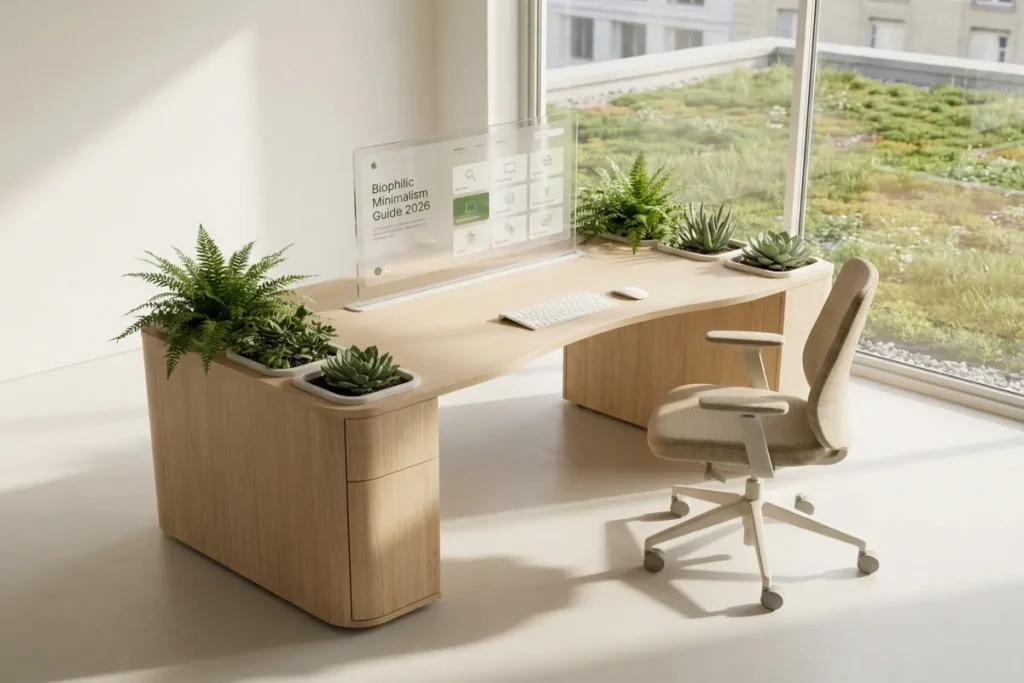
Perfect Configurations
To help you visualize how these elements come together, here are three distinct ways to build your setup based on your space and profession:
| Setup Type | Ideal For | Desk Material | Plant Choice | Accessory Material |
| The Urban Creator | Video editors, Designers | Solid Walnut (dark, rich) | Monstera Deliciosa (floor) | Black Aluminum & Wool |
| The Light Writer | Copywriters, Developers | Sustainable Bamboo (light) | Pothos (trailing from shelf) | Cork & White Ceramic |
| The Executive Zen | Managers, Consultants | White Oak (neutral, clean) | Snake Plant (low maintenance) | Stone & Matte Leather |
Step-by-Step Guide to Creating Your Setup
Ready to transform your workspace? Follow this blueprint to transition from chaos to calm:
- The Great Purge: Remove everything from your current desk. Wipe it down. Put back only the items you have touched in the last 48 hours. Put the rest in a drawer or throw it away.
- Upgrade the Surface: If you can’t afford a new solid wood desk, invest in an oversized cork or wool felt desk pad. This immediately covers cheap laminate and introduces a natural texture to your hands.
- Hide the Tech: Spend one hour routing your cables. Use velcro ties (not zip ties) and an under-desk basket. The goal is to see zero cables when looking at the desk from the doorway.
- Introduce the Green: Buy one high-quality, easy-to-care-for plant (like a ZZ plant) and place it in a textured ceramic pot on the corner of your desk furthest from your dominant hand.
- Dial in the Light: Turn off your overhead room light. Bring in a dedicated desk lamp with a warm, dimmable LED bulb.
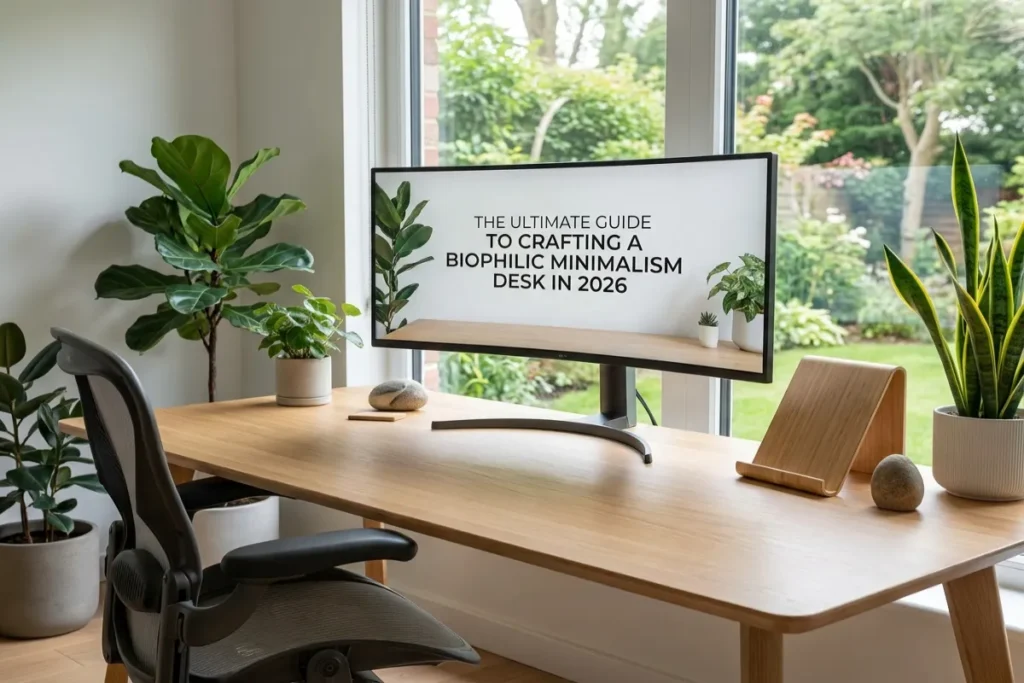
Conclusion: Reclaim Your Focus
In a hyper-connected, digital-first world, your physical environment is your last line of defense against distraction and stress. A Biophilic Minimalism desk is not just an aesthetic trend for social media; it is a scientifically backed approach to working better, breathing easier, and feeling more grounded throughout your day. By prioritizing natural materials, curating your greenery, and ruthlessly hiding your tech clutter, you can build a sanctuary that actually makes you want to sit down and work.
Ready to build your ultimate workspace? Head over to thetekworld.com for in-depth reviews of 2026’s best wooden standing desks, minimalist mechanical keyboards, and advanced cable management gear!
Frequently Asked Questions (FAQ)
1. I kill every plant I touch. Can I use fake plants?
While real plants provide the added benefit of air purification, high-quality artificial plants still trigger the psychological benefits of biophilia. If you go fake, invest in premium silk or highly realistic silicone plants, and ensure you dust them regularly to maintain the minimalist aesthetic.
2. Is a Biophilic Minimalism desk expensive to build?
It doesn’t have to be. While a solid slab of walnut can be pricey, you can achieve the look on a budget by purchasing an unfinished butcher block from a hardware store and staining it yourself. The core of this trend is removing excess, which costs nothing.
3. How do I handle paper documents in a minimalist setup?
Digitize as much as possible using your smartphone’s scanner. For essential physical documents, use a single, beautifully crafted wooden or felt inbox tray. Once the tray is full, you must process and file the papers out of sight in a drawer or cabinet.
4. Can I still have multiple monitors?
Absolutely. The key is using dual or triple monitor arms to float the screens off the desk surface. Keep the bezels thin and the cables hidden inside the monitor arm channels to maintain the clean, minimalist look.

Comments