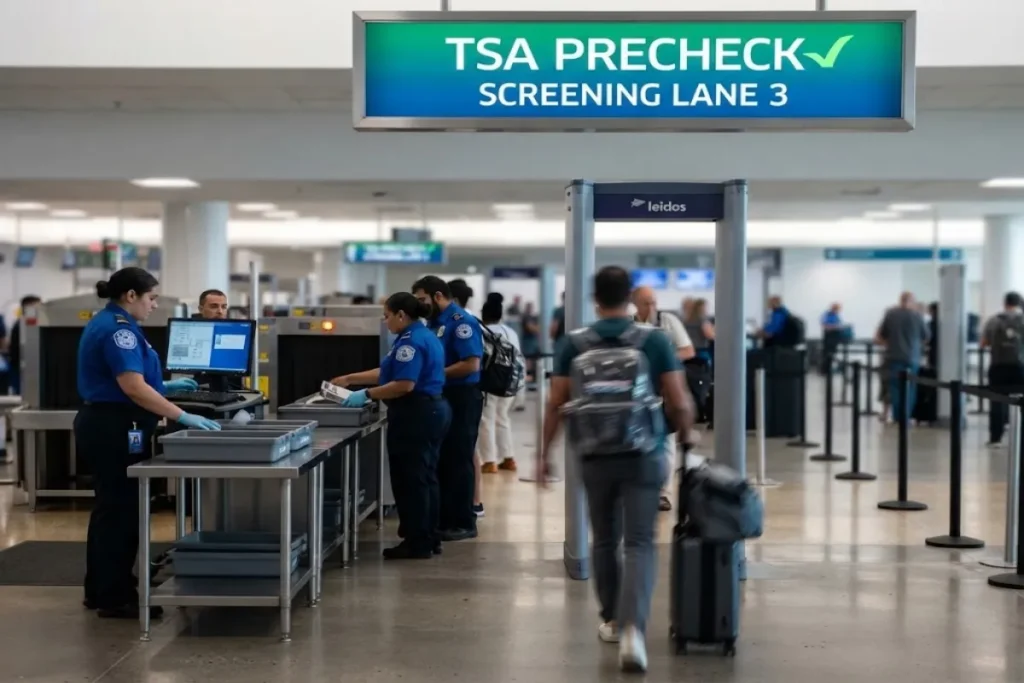
When you step up to an airport security checkpoint to catch your next flight, you might notice a subtle yet significant shift in posture from the personnel reviewing your credentials. Recent operational updates have confirmed that TSA Officers Will Not Be Allowed to Sit During ID Checks at US Airports. This policy change affects thousands of transportation security employees nationwide and aims to transform how checkpoint interactions are handled.
For travelers, understanding airport security guidelines is essential for a smooth travel experience. Whether you fly weekly for business or take an annual family vacation, changes at the frontlines of airport checkpoints influence everything from wait times to overall security thoroughness. In this comprehensive guide, we explore the reasons behind this mandate, what it means for officers, and how it impacts your journey through U.S. terminals.
US judge signals rejection of part of TikTok privacy settlement: What It Means for Data Security
Table of Contents
Understanding the New Standing Mandate
The Transportation Security Administration (TSA) has instituted a directive affecting personnel stationed at the podiums where boarding passes and government-issued identifications are inspected. Under the updated guidelines, TSA Officers Will Not Be Allowed to Sit During ID Checks at US Airports, effectively removing chairs from document-checking stations across various terminals.
Agency officials emphasize that operational readiness and heightened vigilance are primary catalysts for the adjustment. Standing officers are positioned to maintain a more commanding presence, observe queue dynamics fluidly, and project heightened alertness to security threats at the earliest stage of the screening process.
The Official Rationale Behind the Policy
Security optimization is a continuous target for federal agencies. By requiring personnel to remain on their feet, administration leadership seeks to:
- Increase Visual Engagement: Standing provides a better line of sight over approaching passengers and crowded queue lanes.
- Promote Active Deterrence: An upright posture signals active engagement, serving as a stronger psychological deterrent against malicious intent.
- Standardize Checkpoint Posture: Creating a uniform approach across domestic airports ensures consistency in how security is executed nationwide.
Union Response and Workforce Implications
Any operational alteration of this scale naturally invites discussion from labor representatives and frontline workers. The union representing transportation security employees has voiced perspectives regarding the physical demands placed on agents working long shifts.
Standing for hours at a time introduces physical fatigue, muscle strain, and discomfort, making ergonomic considerations a central topic of discussion. While the agency maintains that the directive is vital for security enhancement, workforce advocates continue to monitor break schedules, rotational systems, and overall employee well-being to ensure officers can sustain peak performance without undue physical toll.
Practical Impact on Daily Checkpoint Operations
For travelers navigating security lines, the physical presence of standing officers alters the visual landscape of the terminal.
- Enhanced Eye Contact: Passengers often experience a more direct, attentive interaction when checking documents.
- Quicker Document Processing: An active posture helps keep the line moving steadily, minimizing bottlenecks at the podium.
- Clearer Communication: Standing allows officers to gesture, direct, and answer quick traveler inquiries with greater efficiency.
How This Affects Your Airport Experience
Navigating airport security efficiently remains a top priority for modern flyers. While the rule that TSA Officers Will Not Be Allowed to Sit During ID Checks at US Airports primarily governs internal agency protocols, passengers will encounter subtle shifts in checkpoint flow.
Travelers should always stay informed about evolving TSA rules to ensure stress-free departures. Knowing what to expect at the document-checking podium helps you prepare your materials ahead of time, reducing friction and keeping lines moving for everyone.
Pro Tip: Always have your physical photo ID (such as a REAL ID-compliant driver’s license or passport) and your boarding pass ready before you reach the front of the line. Minimizing fumbling helps security personnel maintain a fast, efficient pace.
Actionable Tips for Navigating Security Checkpoints Seamlessly
To adapt to changing checkpoint environments and ensure your trip starts off on the right foot, keep these practical tips in mind:
- Organize Your Documents Early: Keep your ID and boarding pass accessible in an outer pocket or digital wallet before joining the queue.
- Remove Clear Covers or Passports from Holders: Make it easy for the standing officer to scan or inspect your credentials without delay.
- Follow Verbal Directions Promptly: Listen closely to instructions regarding digital ID scans or ticket placements.
- Arrive Early: Factor in standard airport congestion, especially during peak holiday travel seasons or morning rush hours.
Conclusion
The implementation of the rule ensuring TSA Officers Will Not Be Allowed to Sit During ID Checks at US Airports marks a notable update in domestic aviation security. By prioritizing a standing, highly vigilant posture at document-checking podiums, the agency aims to tighten security measures and refine checkpoint interactions. While it introduces operational adjustments for the workforce, it ultimately aligns with a broader commitment to passenger safety.
Ready to stay ahead of all travel updates? Visit thetekworld.com today for more expert guides, tech insights, and essential news updates designed to keep your journeys seamless and informed!
Frequently Asked Questions (FAQ)
1. Why are TSA officers no longer allowed to sit during ID checks?
The agency instituted the policy to increase situational awareness, project a more vigilant presence, and improve overall security effectiveness at the initial checkpoint screening phase.
2. Does this rule apply to all U.S. airports?
Yes, this directive applies to Transportation Security Administration personnel handling document verification and boarding pass checks across participating commercial airports nationwide.
3. Will this policy increase security wait times?
No. In fact, an active, standing posture is intended to streamline the document-checking process, keeping passenger queues moving smoothly and efficiently.
4. How can travelers help speed up the ID check process?
Have your physical identification and boarding pass out and ready before stepping up to the podium, remove any passport covers, and follow the officer’s instructions promptly.
